
In this guide
Residential interior design in Dubai covers everything from refreshing a one-bedroom apartment in JLT to planning a six-bedroom villa in Arabian Ranches from the slab up — and the brief, the package and the price change dramatically between those two ends. This 2026 guide explains how apartment and villa projects differ, what each type of design package actually includes, indicative AED price ranges and what moves them, the step-by-step process, the building and community approvals to expect, and the mistakes that most often turn a sensible budget into an expensive one.
- Apartments are constrained by the building (fixed MEP, NOC rules, service lifts); villas give more freedom but bring layout, landscape and approval complexity.
- Packages range from concept-only to full turnkey; the right one depends on how much time you have to run contractors and suppliers yourself.
- Indicative 2026 design fees run from roughly AED 80–250 per sq m for concept work to a percentage of build cost for turnkey villa projects.
- Most budget overruns come from late decisions, imported long-lead furniture and changing scope after drawings are approved.
01What residential interior design in Dubai actually covers
In Dubai the phrase is used loosely, so it is worth pinning down. A residential design service can mean anything from a mood board and a furniture list to a full set of technical drawings, a managed fit-out and a styled handover. Before comparing quotes, check which of these layers each studio is actually pricing:
- Space planning — layouts, furniture positions, circulation and, in villas, any wall moves or extensions.
- Concept and materials — style direction, colour palette, flooring, wall finishes, joinery and lighting concept.
- Technical drawings — electrical and lighting layouts, ceiling plans, joinery details, bathroom and kitchen elevations that a contractor can build from.
- Procurement — sourcing, ordering and tracking furniture, lighting, curtains and accessories.
- Site supervision and fit-out — managing trades, quality and the building or community approvals.
- Styling and handover — art, textiles, decor and the final dressing that makes the home feel finished.
A low headline fee usually covers the first two layers only. That is fine if you are confident running contractors yourself, but it means the drawings, the buying and the site problems become your job. If you are an overseas owner or an investor preparing a rental, those hidden hours are often the most expensive part of the project.
02Apartments vs villas: how the brief changes
The two property types look like the same service on a website, but they are different jobs on site.
| Factor | Apartment | Villa / townhouse |
|---|---|---|
| Layout freedom | Limited — wet areas, risers and AC are fixed by the tower | High — walls, kitchens and stairs can often be reworked |
| Approvals | Building management NOC, working-hours rules | Community developer NOC; Dubai Municipality permit for structural or extension works |
| Logistics | Service lift bookings, loading bays, delivery slots | Easier access, but larger quantities and outdoor works |
| Typical design focus | Storage, light, compact multi-use furniture | Zoning, flow between floors, majlis, outdoor living |
| Typical programme | 4–10 weeks for design and fit-out of a refresh | 3–6+ months for a full redesign |
In an apartment, the smartest money goes into storage, lighting and a few hero pieces, because you cannot move the bathroom or the AC risers. In a villa, the layout itself is the design opportunity: opening the kitchen, reworking the ground-floor flow or turning an unused maid's room into a study. Our villa interior design guide goes deeper on the villa side.
03Design packages: from concept-only to turnkey
Most residential studios in Dubai sell some version of four packages. The names vary; the scope underneath is fairly consistent.
- Consultation or e-design — a few hours of advice, a mood board and a shopping list. Good for a single room or a rental refresh.
- Concept design — layouts, 3D visuals and a materials and furniture schedule. You or your contractor execute it.
- Full design — concept plus the technical drawing set and specifications, ready to tender to contractors.
- Turnkey (design and build) — design, approvals, fit-out, procurement and furnishing under one contract, with one handover date.
The jump from concept to full design matters more than people expect. A contractor working from 3D renders alone has to guess socket heights, ceiling levels and joinery details, and every guess is either a variation on the bill or a compromise you live with. If you will not be in Dubai during the works, turnkey is usually the only package that genuinely saves you time.
04How much does residential interior design in Dubai cost?
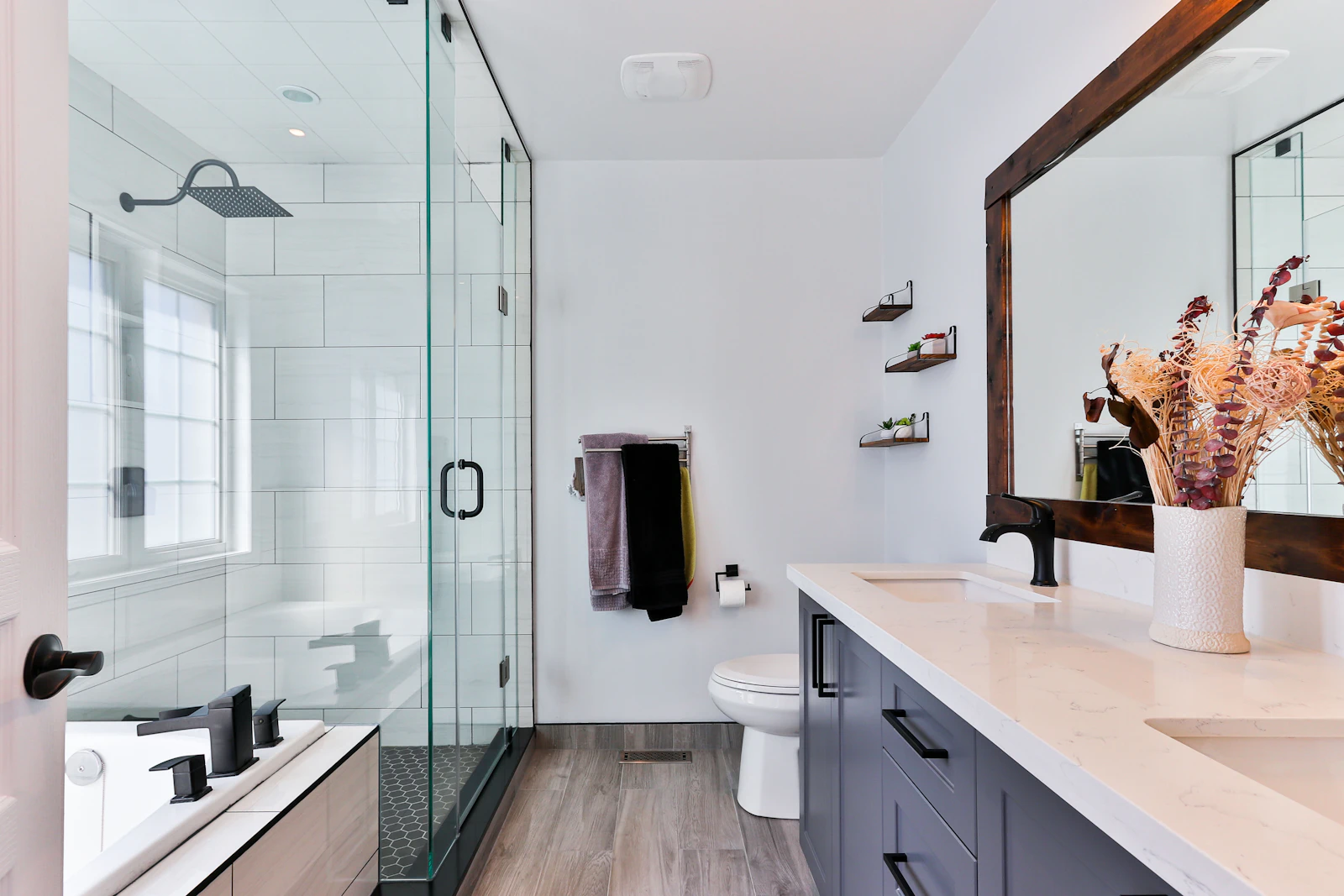
Fees are quoted in three main ways: per square metre of the home, as a fixed fee per room or project, or as a percentage of the build and furnishing budget. The ranges below are indicative 2026 figures for design fees only; construction and furniture are separate.
| Package | Typical pricing | Example: 2-bed apartment (~110 sq m) | Example: 4-bed villa (~400 sq m) |
|---|---|---|---|
| Consultation / e-design | Fixed fee per room | 3,000–10,000 | 8,000–25,000 |
| Concept design | AED 80–150 per sq m | 9,000–17,000 | 32,000–60,000 |
| Full design with drawings | AED 150–250 per sq m | 17,000–28,000 | 60,000–100,000 |
| Turnkey design & build | 8–15% of build and furnishing budget, or included in a package | Varies with fit-out scope | Varies with fit-out scope |
What moves the number: the size and number of rooms, how much custom joinery is drawn, whether lighting and smart-home layouts are included, the number of revision rounds, and the level of finish. For the build side, a light refresh of a furnished apartment might sit at AED 800–1,800 per sq m including furniture, while a full villa redesign with new kitchens, bathrooms and joinery can reach AED 2,500–6,000 per sq m or more. If budget is the main constraint, our affordable interior design guide shows where to save without it looking cheap, and for a first estimate you can send us a request — an engineer will price your property.
05The residential design process, step by step
A well-run project follows the same order whether it is a studio or a villa. Skipping steps is what creates variations later.
- Brief and measured survey — how you live, who lives there, what stays, budget ceiling and target date; the home is measured and existing services are recorded.
- Space plan — two or three layout options, agreed before any styling starts.
- Concept and materials — mood, palette, 3D visuals of key rooms and a first furniture selection.
- Technical drawings and budget — lighting, electrical, ceilings, joinery and wet areas, with a costed specification.
- Approvals — building or community NOC, and permits if structural, façade or extension work is involved.
- Fit-out and procurement — trades on site while long-lead furniture, curtains and lighting are in production.
- Installation, snagging and styling — furniture delivered, defects closed, home dressed and handed over.
For a two-bedroom apartment refresh, steps 1–4 typically take three to five weeks. For a villa, design alone can take two to three months, which is why it pays to start it while you are still finalising the purchase or the tenancy.
06Approvals, NOCs and what your building allows
Even a design-led project touches regulation once anything beyond furniture changes. In an apartment, building management normally issues a fit-out NOC, may ask for a refundable deposit, and sets working hours and noise rules. In villa communities, the master developer — Emaar, Nakheel, Dubai Properties and others — approves changes, and Dubai Municipality permits are typically needed for structural changes, extensions or pergolas above a certain size. Electrical load changes may involve DEWA, and new kitchens or gas lines can bring in Dubai Civil Defence. Rules vary by community, so treat these as the usual pattern rather than a universal checklist.
07Where residential projects go wrong
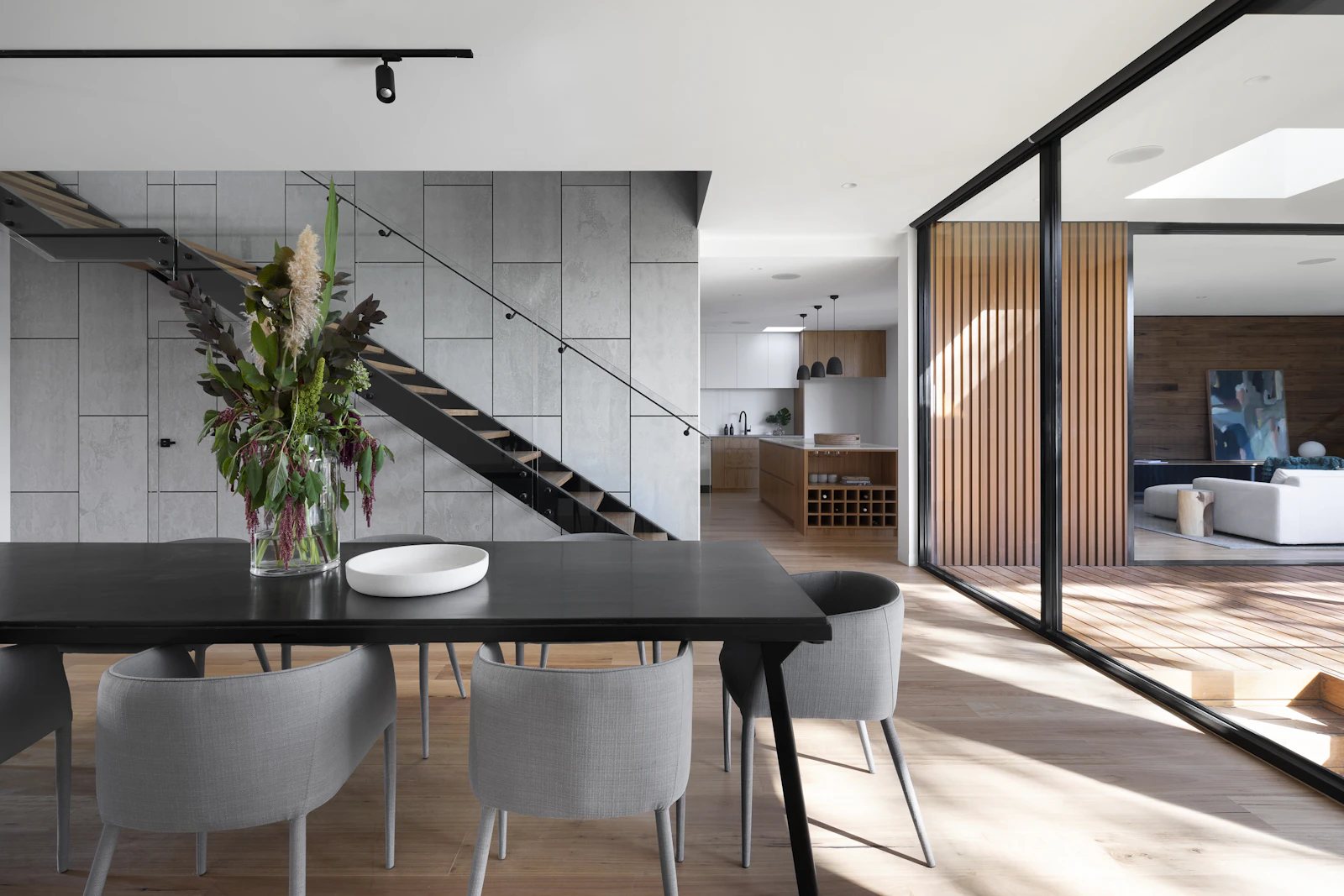
Across Dubai homes, the same few problems account for most of the stress and most of the overspend:
- Styling before planning — buying a sofa before the layout is fixed, then designing the room around the wrong piece.
- Ignoring the climate — west-facing glass without proper sun control, pale fabrics that fade in a summer, solid wood that moves with the AC.
- Late decisions — every change after drawings are approved costs more, and imported furniture can take 8–14 weeks to arrive.
- Too little lighting design — a single ceiling point per room in a home where the evening is the main living time.
- No contingency — older villas especially hide surprises behind tiles and ceilings; keep 10–15% aside.
Window treatments deserve a special mention. In Dubai light, curtains and blinds are part of the thermal and comfort design, not an accessory chosen at the end, and getting the track positions into the ceiling drawings saves rework later.
08How A5renova approaches residential interior design
We run residential projects as one accountable package, from the first measured survey to the styled handover. Our interior design team plans the layout and draws the technical set; the same team coordinates renovation and fit-out, building or community approvals and furnishing, so the budget you approve at the drawing stage is the one we build to. Whether it is a compact apartment you want ready for tenants or a villa you are redesigning for your family, send us the floor plan and your target date and we will come back with a realistic scope, programme and price.
