
Villa interior design in Dubai is a different job from designing an apartment: more rooms, bigger volumes, a garden and majlis to connect, and a family that will live across three floors rather than one. Done well, it gives every space a purpose and a consistent look; done piecemeal, it produces a villa full of expensive furniture that never quite feels finished. This 2026 guide covers the styles that work in Dubai villas, indicative costs for design fees and furnishing, where the design effort goes room by room, the process from brief to handover, and the mistakes that cost owners the most.
Key takeaways
- A full villa design package covers layouts, 3D visuals, technical drawings and a furniture and materials specification — not just a moodboard.
- As an indicative 2026 range, design fees run about AED 15–80 per sq ft, and a full design-and-furnish project for a 4-bedroom villa often lands between AED 0.5 and 2.5 million.
- Living areas, the kitchen and the master suite absorb most of the budget; secondary bedrooms and service areas should be designed simply and durably.
- Decide on any layout, lighting and smart-home changes before choosing furniture — they need community NOCs and are costly to change later.
What villa interior design in Dubai actually covers
Owners often use “interior design” to mean anything from picking cushions to rebuilding the ground floor. For a villa, it helps to separate the work into layers, because each has a different cost, timeline and approval profile:
- Space planning — how rooms are used and connected: an open kitchen or a closed one, where the family living room sits against the formal majlis, whether a maid's room becomes a study or gym.
- Architectural interior — ceilings, wall panelling, lighting layout, flooring, doors, staircases and built-in joinery. These are the fixed elements that define the character of the house.
- Furniture, fixtures and equipment (FF&E) — sofas, dining sets, beds, rugs, decorative lighting, art and accessories, all specified to size and finish.
- Soft furnishings — curtains and blinds, upholstery fabrics, bedding and cushions, which matter far more in Dubai's light than owners expect.
- Systems — lighting scenes, climate zones, motorised shading and AV, which need to be designed into the ceilings and walls rather than bolted on.
A designer who only delivers the fourth layer is a stylist; that is useful for a recently renovated villa but not for an older one in The Springs or Arabian Ranches that needs new flooring and lighting. If your villa needs structural or MEP work, the design should be tied to a renovation scope — our guide to villa renovation in Dubai covers that side.
Villa interior design styles that work in Dubai
Style is personal, but some directions age better in Dubai's climate and in typical villa layouts than others. These are the ones we see most often in 2026, with the trade-offs owners should know:
| Style | Key features | Works best for | Watch out for |
|---|---|---|---|
| Contemporary minimal | Plain walls, hidden storage, warm neutrals, linear lighting | New-build villas with clean architecture | Needs precise workmanship; looks cold without texture |
| Modern Arabic | Arches, mashrabiya screens, brass, natural stone, a formal majlis | Family villas that host guests often | Pattern overload; heavy pieces in smaller rooms |
| Quiet luxury / neo-classic | Wall mouldings, marble, velvet and bouclé, statement chandeliers | Large living and dining rooms, high ceilings | Budget climbs fast with stone and custom joinery |
| Mediterranean / coastal | Light oak, linen, lime-wash walls, blue and sand tones | Villas near the beach or with big gardens | Fabrics fade in strong sun without UV-protective linings |
| Japandi / organic | Low furniture, timber, stone, muted palette, fewer objects | Owners who want calm and low maintenance | Can feel empty in double-height spaces |
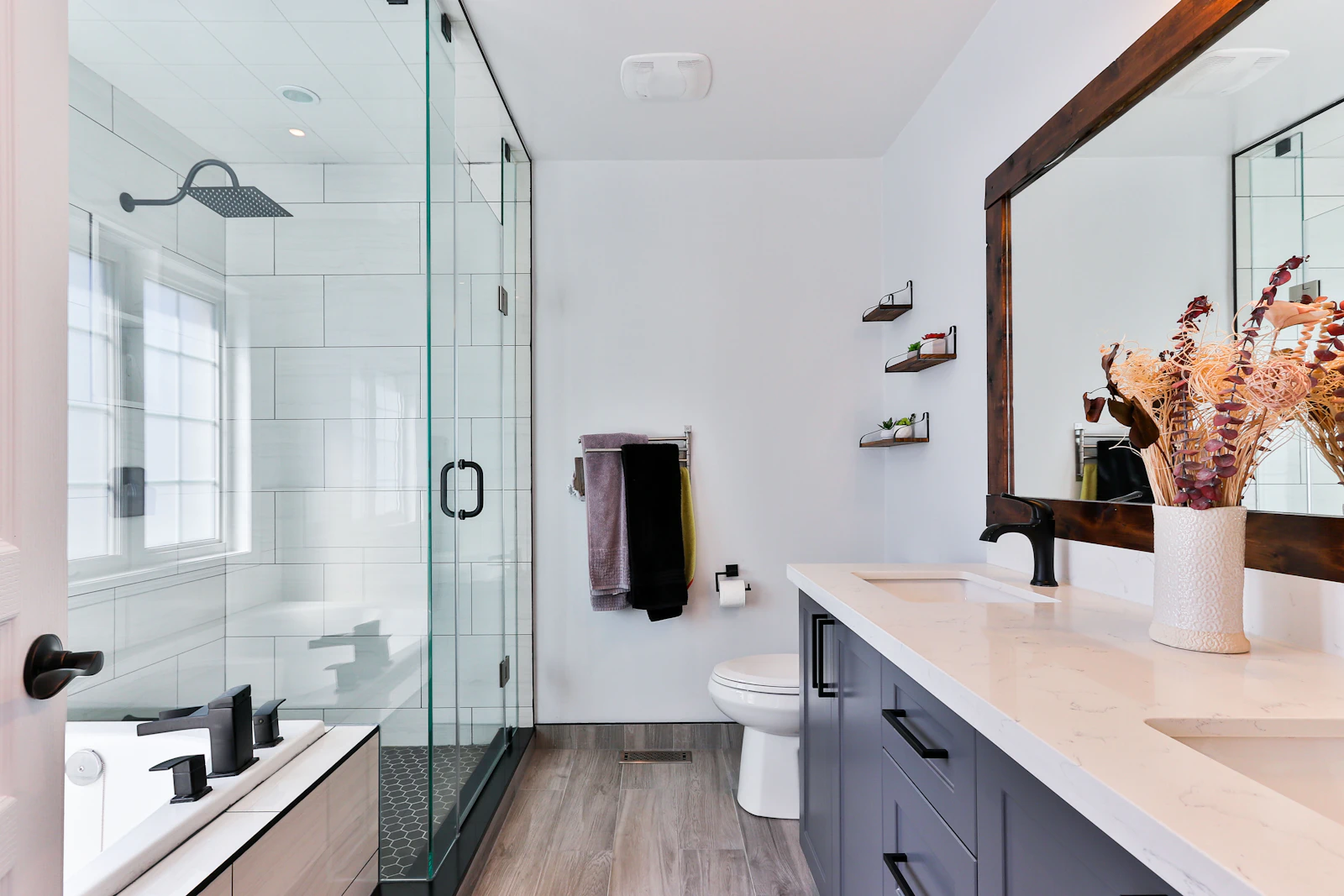
Most successful villas mix two directions: a calm contemporary base in fixed finishes, with character added through furniture, lighting and textiles that can be changed in five years without breaking walls. That approach also protects resale value, because buyers read neutral fixed finishes as “move-in ready”.
How much does villa interior design cost in Dubai in 2026?
There are two numbers to separate: the design fee and the implementation budget (joinery, finishes, lighting, furniture, curtains). Design fees are usually quoted per square foot of built-up area or as a fixed package; some studios charge a percentage of the implementation cost. As an indicative 2026 guide, styling-only advice runs about AED 5,000–25,000, a concept design package with layouts and 3D visuals roughly AED 15–35 per sq ft, and a full package with technical drawings, FF&E specification and site supervision roughly AED 35–80 per sq ft.
| Item | Mid-range | Premium |
|---|---|---|
| Design fees (full package) | 60,000 – 140,000 | 140,000 – 320,000 |
| Joinery: wardrobes, TV walls, vanities | 80,000 – 200,000 | 200,000 – 500,000 |
| Finishes: paint, panelling, flooring refresh | 60,000 – 180,000 | 180,000 – 500,000 |
| Lighting and decorative fixtures | 20,000 – 60,000 | 60,000 – 180,000 |
| Furniture, rugs and décor | 180,000 – 400,000 | 400,000 – 1,000,000+ |
| Curtains and blinds | 25,000 – 60,000 | 60,000 – 150,000 |
Added up, a mid-range design-and-furnish project for a typical 4-bedroom villa often lands around AED 0.5–1 million, and premium projects AED 1–2.5 million or more. What moves the number most: imported versus locally made furniture, the amount of custom joinery, natural stone versus porcelain, motorised shading and smart lighting, and how many rooms are fully designed rather than simply furnished. You can use our renovation calculator for the works side and browse the furniture catalog to get a feel for pricing by piece.
Room by room: where the design effort should go
A villa has more rooms than most owners can afford to design to the same level, and it does not need that. Spend where the family and guests spend their time, and keep the rest simple and durable.
- Entrance and majlis — the first impression and, in many families, the formal guest room. Worth feature lighting, a good ceiling and seating that works for groups. Keep it separate acoustically from the family living area.
- Family living and dining — the heaviest-used zone. Prioritise performance fabrics, a rug that survives children and sand, layered lighting and enough storage to hide the daily clutter.
- Kitchen — many villas have a show kitchen and a closed working kitchen. Design the show kitchen as furniture; make the working one practical, with ventilation and easy-clean surfaces.
- Master suite — bedroom, walk-in wardrobe and bathroom as one sequence. Blackout curtains, quiet AC and good wardrobe lighting matter more here than decoration.
- Children's and guest bedrooms — neutral fixed finishes, flexible furniture and washable textiles so the rooms can grow with the family.
- Terraces and garden rooms — outdoor-rated fabrics and furniture that tolerate heat and humidity; shaded seating is used far more than an unshaded lounge.
A practical rule is to allocate roughly half of the furnishing budget to the ground-floor living spaces and master suite, and share the rest across the other rooms. It keeps the house feeling complete where it counts.
The villa interior design process, step by step
A well-run villa design project follows the same order. The sequence matters, because choosing furniture before the lighting and layout are fixed is the most common reason for rework.
- Brief and measured survey — how the family lives, who visits, budget, style references and a full measurement of the villa, including ceiling heights and existing services.
- Space plan and concept — furniture layouts for every room, moodboards and a material palette; this is where the big decisions are agreed.
- 3D visuals of key rooms — living, dining, majlis and master suite, so you approve proportions and colours before anything is ordered.
- Technical drawings and approvals — ceiling, lighting, joinery and electrical drawings; if walls, MEP or façade elements change, the community developer NOC and any authority permits are applied for.
- FF&E specification and procurement — every item specified with size, finish and lead time; long-lead pieces are ordered first.
- Works on site — joinery, finishes, lighting and curtain tracks installed while furniture is in production.
- Installation and styling — furniture delivered and placed, curtains hung, art and accessories styled.
- Snagging and handover — defects closed, care instructions and warranties handed over.
As a rough 2026 timeline, styling an already renovated villa takes about 6–10 weeks, mostly waiting for furniture. A full design with joinery and finishes typically runs 4–7 months from brief to handover, and imported bespoke pieces can add 8–14 weeks on their own.
Designing a villa for Dubai's climate and communities
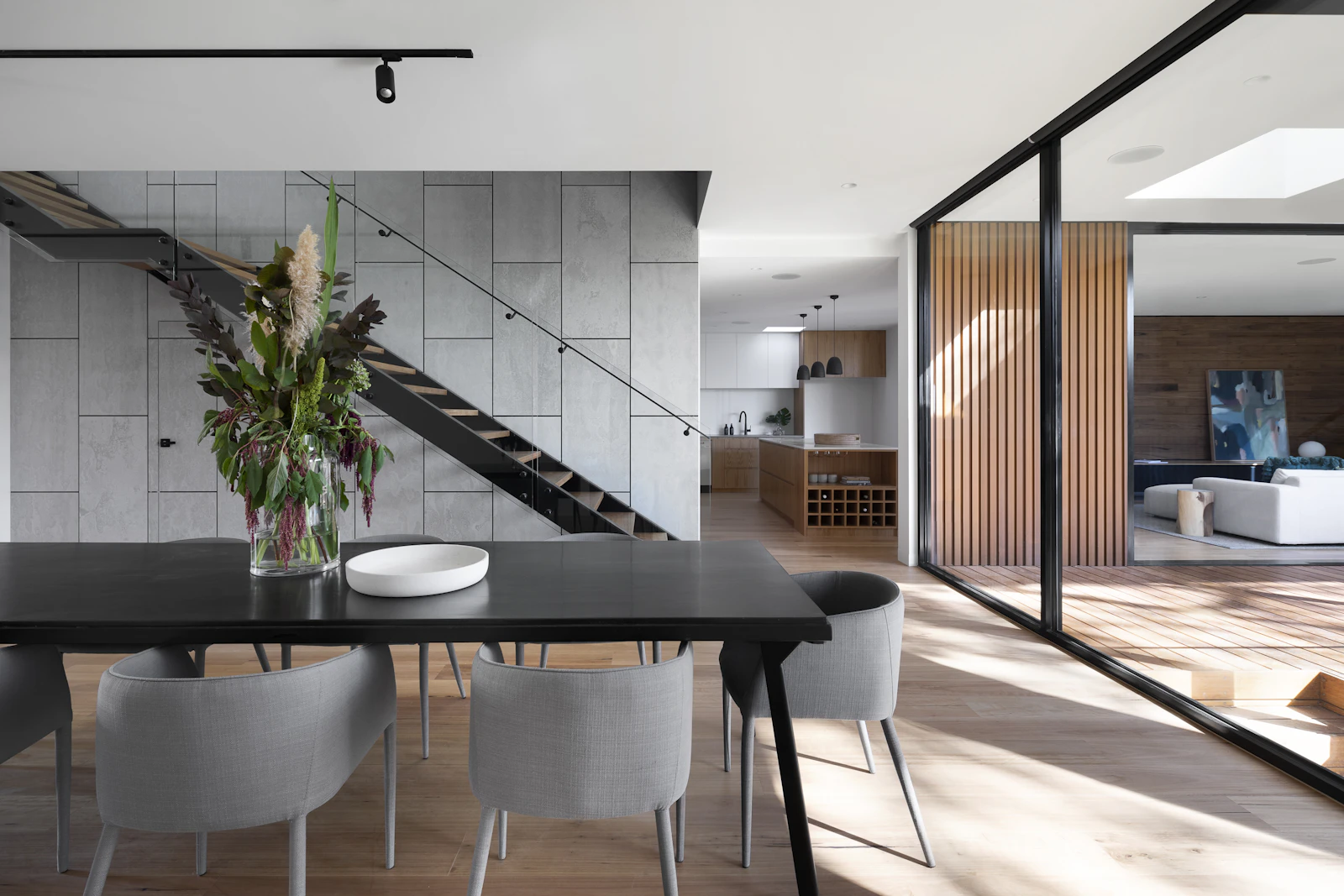
Dubai is hard on interiors. Strong sun fades fabrics and timber, fine sand gets into every textured surface, and air-conditioning running most of the year dries out solid wood. Good villa interior design in Dubai plans for that from the start:
- Use UV-protective linings or sheers on west- and south-facing glazing, and consider motorised curtains for tall windows you cannot reach.
- Choose engineered timber or high-quality porcelain over solid wood for large floors; they move less in dry, cool indoor air.
- Specify performance or solution-dyed fabrics for family seating and anything near a terrace door.
- Plan lighting in scenes — daytime, evening, entertaining — rather than one ceiling switch per room; it is easy while ceilings are open and expensive afterwards.
- Keep return-air grilles and AC access panels in the design, not hidden behind joinery the maintenance team cannot open.
Common villa design mistakes and how to avoid them
Most budget overruns in villa projects come from a short list of avoidable decisions:
- Buying furniture first — a sofa bought before the layout is fixed rarely fits the final plan. Design the room, then buy.
- Undersized pieces — apartment-scale furniture disappears in a villa living room with a 5–6 metre ceiling. Rugs, pendants and curtains all need to be scaled up.
- Designing only the ground floor — upstairs rooms left “for later” often stay unfinished for years. Plan the whole house, even if you phase the purchases.
- Ignoring storage — family villas need built-in storage for luggage, seasonal items and sports equipment, or it ends up in the guest room.
- Too many suppliers — separate designers, joiners, curtain makers and furniture shops mean nobody owns the result, and delivery clashes delay handover.
If you are weighing up who should deliver the work, our overview of interior design in Dubai explains the difference between a design-only studio and a design-and-build team.
How A5renova approaches villa interior design
We design and deliver villa interiors as one package, so the layout, the lighting, the joinery and the furniture are decided at the same table and installed by the same team. Our interior design service starts with how your family actually uses the house and turns it into layouts, 3D visuals and a full specification; turnkey furnishing then supplies and installs furniture, curtains and décor from our catalog and partner makers, and smart-home systems are built into the ceilings while they are still open. Share your floor plans, community and target move-in date, and we will come back with a realistic scope, budget and schedule.
Frequently asked questions
How much does villa interior design cost in Dubai?+
As an indicative 2026 range, design fees for a villa run about AED 15–35 per sq ft for a concept package and AED 35–80 per sq ft for a full package with technical drawings, specification and supervision. Including joinery, lighting, furniture and curtains, a mid-range 4-bedroom villa often totals AED 0.5–1 million and a premium one AED 1–2.5 million or more, depending on materials and how much is custom-made.
How long does it take to design and furnish a villa in Dubai?+
Styling and furnishing a villa that is already in good condition usually takes 6–10 weeks, most of it furniture lead time. A full interior design project with joinery, finishes and lighting changes typically runs 4–7 months from brief to handover. Imported or bespoke furniture can add 8–14 weeks, and any work that needs a community NOC or authority approval adds time at the start.
Do I need a permit for villa interior design work in Dubai?+
Furniture, décor and curtains need no permit. Changes to walls, electrical and plumbing systems, air-conditioning, or anything visible from outside generally require a NOC from the community master developer and, depending on the scope, approval from Dubai Municipality or the relevant authority. Rules differ between communities, so check them before finalising the layout and ask your contractor to handle the applications.
Which interior design style is best for a villa in Dubai?+
There is no single best style, but a calm contemporary base in the fixed finishes — walls, floors, ceilings — ages well and protects resale value. Character is then added through furniture, lighting and textiles, whether that is modern Arabic, quiet luxury, coastal or Japandi. Whatever you choose, pick fabrics and materials that tolerate strong sun, sand and constant air-conditioning.
Should I renovate or redesign my villa first?+
Design first, then renovate. The design decides where walls, lighting points, sockets, curtain tracks and joinery go, and the renovation builds exactly that. Renovating first and designing later usually means reopening ceilings and moving electrical points. For older villas, one team handling design and renovation together avoids the gaps between drawings and site work.
What should I prioritise if my villa design budget is limited?+
Put the money into the spaces used most: the family living and dining area, the kitchen and the master suite. Fix the layout and lighting plan for the whole villa upfront, even if you furnish in phases. Keep secondary bedrooms simple with neutral finishes and good-quality curtains, and avoid custom joinery in rooms whose use may change as the family grows.
Related services